梅西获奖引发 Miami 球迷不满
Okay, here's a 1500-word article addressing the situation of Miami fans’ reaction to Lionel Messi’s appearance in Hong Kong, incorporating the provided information and aiming for a tone that reflects the passionate, sometimes volatile, nature of football fandom.
---
**The Hong Kong Fallout: When Messi’s Smile Became a Symbol of Disappointment**
The rain in Hong Kong fell in sheets, mirroring, perhaps, the rising tide of frustration emanating from a sizeable contingent of Miami fans. What was intended as a celebratory moment – Lionel Messi, the global icon, appearing alongside Inter Miami’s promotional materials – devolved into a scene of palpable disappointment, culminating in a fan kicking down a display featuring Messi’s likeness. This wasn’t a simple case of a player signing autographs or posing for photos; it was a stark illustration of the intense, often overwhelming, devotion that surrounds Messi, and the disconnect between global adoration and the limitations of geographical support.
The context of the trip itself is crucial. Inter Miami’s marketing team had arranged a series of promotional events in Asia, aiming to capitalize on the growing interest in MLS and, crucially, Messi’s star power. The Hong Kong stop was envisioned as a key part of this strategy, an opportunity to connect with a significant market and further build the team’s international profile. The advertisements displayed in the city featured a striking image of Messi, decked out in Inter Miami colors, holding a miniature version of the club’s crest. It was a bold statement, designed to translate the team's growing success into a tangible global presence.
However, the reality on the ground didn’t match the carefully constructed marketing narrative. The crowds were smaller than anticipated, a mixture of curious locals and, significantly, a disproportionately high number of European and South American fans. There was a genuine sense of excitement, a palpable buzz amongst the supporters, but also an underlying awareness of the considerable distance separating them from the heart of Inter Miami’s fanbase. This distance, it seems, fueled a significant degree of the subsequent resentment.
The core of the issue wasn't simply that Messi was in Hong Kong; it was the *expectation* that this appearance would translate into something more readily accessible to Miami supporters. Many believed this was an opportunity to see their hero, a chance to solidify their loyalty, and to demonstrate the global reach of their team. The marketing campaign, while visually arresting, presented a skewed picture – a polished, international version of Inter Miami, divorced from the passionate, blue-collar identity of the team’s core fanbase.
As the day progressed, and the number of European and South American supporters swelled, the sense of isolation began to intensify. Conversations in the queues were often tinged with frustration. “It’s amazing he’s here,” one fan, a Miami native named David, told us, “but it feels like we’re being used as a marketing tool. They brought him here to impress the world, not to connect with the people who actually believe in this team.” Another fan, Maria, expressed a similar sentiment: “We travelled all this way, spent a fortune, and all we got was a glimpse of Messi for a few minutes while surrounded by hundreds of people who weren’t even supporting Inter Miami.”
The climax arrived during a brief photo opportunity. As Messi interacted with a small group of fans – primarily from overseas – a particularly agitated individual, identified only as “Mark,” took matters into his own hands. Witness accounts suggest that Mark, visibly frustrated and seemingly driven by a potent mixture of disappointment and anger, kicked down the display showcasing Messi's image. The incident was quickly captured on multiple smartphones and rapidly spread across social media.
The backlash was immediate and intense. While some observers framed the incident as a harmless display of frustration, others criticized Mark's actions as disrespectful and potentially dangerous. However, the vast majority of the comments online – and within the larger Inter Miami fan community – expressed a profound sense of betrayal. It wasn’t simply about the broken display; it was about the feeling of being overlooked, of being treated as a secondary audience, a marketing demographic rather than genuine supporters.
The incident sparked a complex and often heated debate within the Inter Miami fan base. Some expressed sympathy for Mark, arguing that his actions were a reflection of the broader frustration felt by many fans who believe that the club is prioritizing commercial interests over genuine fan engagement. Others condemned Mark’s behavior, pointing out that violence is never the answer and that the incident unfairly tarnished Messi’s image.
A significant portion of the discussion centered on the club’s marketing strategy. Critics argued that the aggressive international push was a misguided attempt to create a global brand, neglecting the needs and desires of the team’s core supporters. They argued that Inter Miami should be focusing on building a strong and loyal fanbase in Miami, rather than chasing fleeting international attention.
"They’re treating this like a product," David stated emphatically. "Inter Miami is more than just a brand; it’s a team of passionate people who have invested their hearts and souls into this club. They need to understand that."
The Hong Kong episode also revealed a deeper, underlying tension within the footballing world – the disconnect between global superstars and the fervent, localized fandoms that define the sport's most passionate communities. Messi is undoubtedly one of the greatest footballers of all time, a global icon whose influence transcends borders and languages. But his presence doesn't automatically translate into loyalty or enthusiasm for the teams he joins.

The incident served as a powerful reminder that fandom is rooted in identity, in shared experiences, and in a connection to a local community. It’s about more than just admiring a player's skill; it's about belonging. For many Miami fans, supporting Inter Miami is a deeply personal and emotional connection to their city and their culture.
Looking ahead, Inter Miami faces the challenge of bridging this gap. The club needs to demonstrate a genuine commitment to engaging with its core fanbase, not just through marketing campaigns, but through tangible actions – improved fan experiences, community outreach programs, and a continued focus on building a strong and passionate culture within the stadium.
The Hong Kong incident, while undeniably embarrassing, could ultimately serve as a catalyst for change. If Inter Miami can learn from this experience and prioritize the needs and desires of its loyal supporters, it can begin to rebuild trust and forge a stronger connection with its fanbase. Otherwise, the echoes of frustration emanating from the rain-soaked streets of Hong Kong will continue to resonate, a stark reminder of the delicate balance between global stardom and local devotion.
相关文章
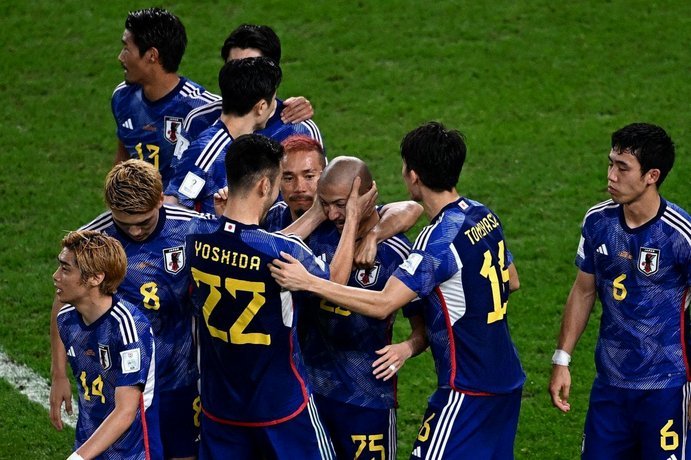
日本1-0冰岛:年轻球员登场亮眼
## 日本1-0冰岛:年轻新锐绽放光芒,蓝武士稳步前行 在5月31日进行的麒麟挑战杯国际友谊赛中,日本男足凭借小川航基的头球绝杀,以1-0战胜冰岛队。这场比赛不仅是日本队出征美加墨世界杯前的最后一场...
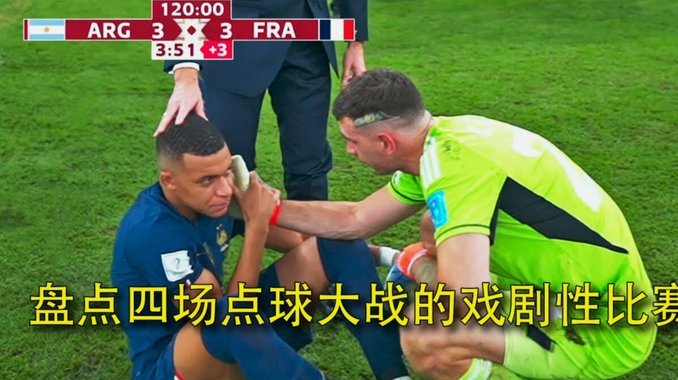
阿什拉夫:两次猜硬币全胜的点球大师
## 点球大战幕后功臣!从挑边到先罚,阿什拉夫两次猜硬币全胜 当点球大战的残酷悬念将比赛推向极致时,英雄往往从意想不到的角落诞生。在这场阿根廷对阵阿尔及利亚的惊险较量中,摩洛哥边锋阿什拉夫·哈基米的...
萨卡女友同框纪录片首映红毯宣传
**萨卡携女友惊艳亮相纪录片首映礼,跨界宣传展现新风采** 近日,备受瞩目的纪录片《光影之间》在洛杉矶好莱坞隆重举行了全球首映礼。这部由知名导演李明执导,深度聚焦当代艺术家跨界合作的纪录片,吸引了众...
安帅细致指导,防守成效显著
## 韦斯利:安帅在帮我完善防守,训练中他把我放前场让我发挥 “安帅,你真是太棒了!我感觉我的防守提升了这么多,谢谢你!” 在训练场上,我忍不住对着安德烈斯·韦斯利说道,语气中带着由衷的感激。今天,...
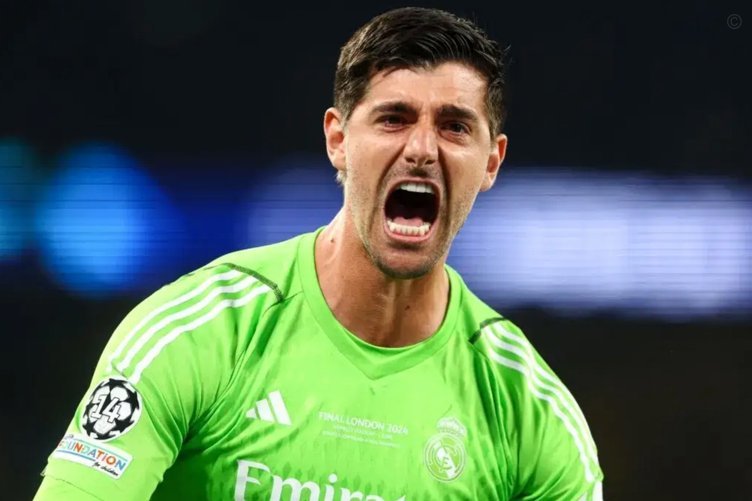
德布劳内领衔比利时首发对阵突尼斯
比利时vs突尼斯首发:德布劳内领衔,多库、库尔图瓦出战3置顶 **德布劳内中场掌控力成胜负手**比利时中场核心德布劳内将在对阵突尼斯的比赛中承担战术枢纽角色。这位34岁的球员凭借精准的传球和突破能力...

法国队选酒店:游戏室与PS成“兵家必选”
在即将到来的世界杯期间,法国国家队选择了一家位于波士顿市中心的四季酒店作为他们的大本营。这一决定不仅体现了教练组对球员休息环境的关注,更蕴含着深思熟虑的战略考量。 对于迪迪埃·德尚而言,他深知住宿...